
Penile Implants
A penile implant (also called a penile prosthesis) is a surgically placed, mechanical device that helps a man get an erection—and keep it—for as long as he likes. It’s one of several treatment options for men with erectile dysfunction (ED). And it has high satisfaction rates.
Still, men need to weigh some important pros and cons before getting an implant. Read on to learn more about the different types of implants, the surgery involved, and what men can expect afterward.
Why do men choose penile implants?
Erectile dysfunction—the inability to get an erection firm enough for sex—is a common problem. While there are several treatments available, such as pills, self-injections, and vacuum devices, they’re not suitable for all men. For example, men who take nitrates for heart conditions cannot use ED medications because of a dangerous drug interaction.
Success with ED treatments can vary, too. What works for one man may not work for another. Generally, men try other ED treatment options before deciding on an implant.
Men with Peyronie’s disease may also get penile implants. This condition causes the penis to bend, sometimes to a point where intercourse becomes quite difficult. An implant can straighten the penis and help with any erection problems.
Transgender men may get penile implants as they undergo gender affirmation surgeries. During these procedures, surgeons create a penis and may implant a prosthesis to aid sexual activity.
Types of penile implants
In general, there are two different types of implants:
Inflatable implants
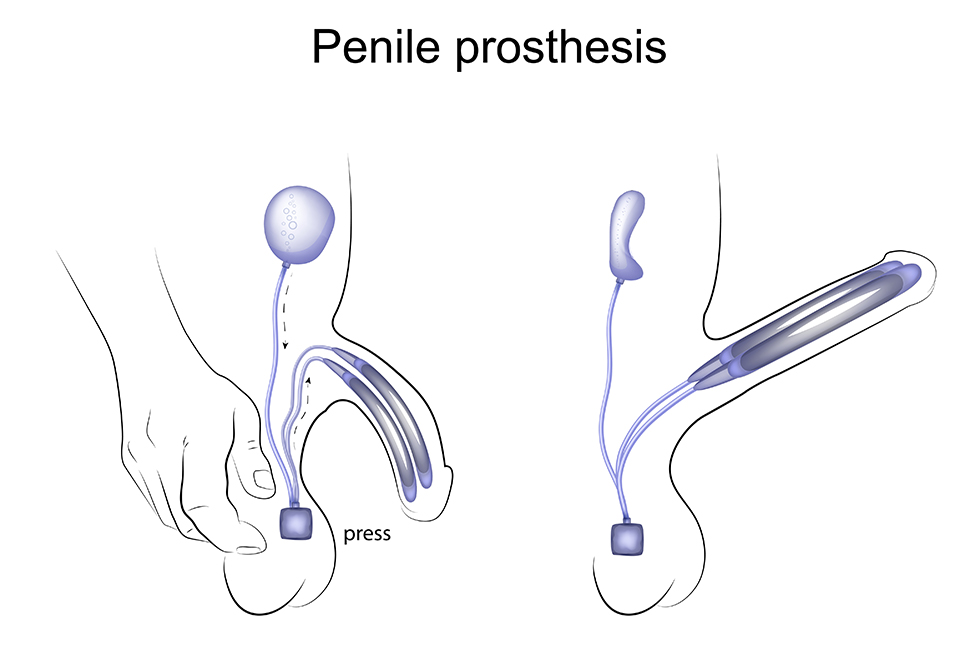
The most common type of implant is a 3-piece inflatable implant. The three parts are connected by tubes. They include:
- A pair of inflatable cylinders that are inserted into the shaft of the penis
- A fluid-filled reservoir placed in the abdomen
- A pump placed in the scrotum
When a man wishes to have an erection, he simply activates the pump in his scrotum. Saline fluid from the reservoir then moves into the cylinders and inflates them, creating the erection. When the man is done with sexual activity, he presses on the pump again. The cylinders deflate and the fluid moves back to the reservoir.
A 2-piece inflatable implant is also available, but it’s less common. This type works in a similar way, but the reservoir and the pump are in the same piece.
Malleable (semirigid) implants
These implants are flexible silicone rods that are inserted into the penis. When a man wants an erection, he can simply lift his penis up into position, then move it back down when he is finished with sexual activity. Malleable implants are not common nowadays, but they might be suitable for men who may have trouble activating a pump in the scrotum.
Advantages of penile implants

- The man has full control. A man can get an erection and keep its firmness for as long as he likes. He can also have as many erections in a day as he wishes.
- They have high satisfaction rates. Studies have shown that the satisfaction rate among men with 3-piece implants is 90% or higher.
- Sex can be more spontaneous. A man does not have to worry about timing the dose of a pill or stopping sexual activity to give himself an injection or use a vacuum device. Instead, he can create an erection in the moment.
- Implants last for years. Some men get 15 to 20 years of use from the same implant before it needs replacing.
- They’re discreet. The penis looks natural. People usually can’t tell if a man has an implant by looking at his penis. (Malleable implants may be an exception, as the penis is always somewhat firm.) During intercourse, partners usually cannot tell that a man has an implant.
- They don’t affect sexual desire or performance. For most men, sexual sensations, ejaculation, and orgasms feel the same as they did before the implant.
- They may boost a man’s sexual confidence. Men may feel less anxious about intimacy knowing that they can get a firm erection every time they have intercourse.
A man can get an erection and keep its firmness for as long as he likes.
Disadvantages of penile implants
- A surgical procedure is involved. Like any surgery, penile implant surgery has risks, such as infection, bleeding, and injury to surrounding areas. However, surgeons take special precautions to lower the risk of complications. Infection rates are estimated to be 1% to 2%. If there is an infection, the device is usually replaced.
- Implants can malfunction. There are times when a penile implant can malfunction, although this is rare.
- They are permanent. Because of the nature of implant surgery, a man can no longer have natural erections once he has an implant. Other ED treatments, such as pills or injections, will no longer be options.
What happens during penile implant surgery?
Before surgery, a man’s doctor will tell him how to prepare. The man may receive special instructions for taking medications or supplements, eating and drinking, and bathing beforehand.
The surgery itself is performed under general anesthesia and takes about one to two hours. It may be done as an outpatient procedure, and many men can go home the same day. However, some men may need to spend a night in the hospital.
To implant the device, the surgeon makes a small incision in the genital area. The inflatable cylinders (or bendable rods, if a malleable implant) are inserted into the shaft of the penis. If it is a 3-piece inflatable device, small incisions are made so that the reservoir can be placed in the abdomen and the pump can be placed in the scrotum. The pieces are then connected and the incisions are closed. The man may have a temporary surgical drain.
Men having implant surgery will need to have someone drive them home. They should also have someone stay with them for the first day or two.
Note: Not all men are good candidates for implant surgery. Men who are at higher risk for complications and those who have heart disease or poorly managed diabetes may not be able to have surgery.
Recovering from penile implant surgery
Back at home, men recovering from implant surgery may experience swelling, pain, or discomfort for the first week. These symptoms may be managed with medicines and ice packs. If there is a drain, it will be removed in the first few days after the procedure.
Men will need to avoid heavy lifting and vigorous activity, including exercise, for up to four weeks. If they work a desk job, they can return to work after a week or so. Men with more physical jobs may need to wait up to four weeks before returning to work.
Sex—both intercourse and masturbation—will need to wait four to six weeks while the body heals. At this time, the man’s doctor will teach him how to use the implant.
Men who have the following symptoms during recovery should call their doctor right away:
- Heavy bleeding
- Fever
- Worsening pain
- Infection
Adjusting to a penile implant
It may take time to adjust to sex with a penile implant. However, many men find that their sex life improves, knowing that they can now count on having a firm erection. Men who have problems with their device or have further questions should talk to their doctor.
Resources
Cleveland Clinic
“Penile Implants”
(Last reviewed: November 11, 2022)
https://my.clevelandclinic.org/health/treatments/10054-surgical-penile-implants
EAU Patient Information (European Association of Urology)
“Penile Implants”
https://patients.uroweb.org/treatments/penile-implants/
“Penile Implants”
https://patients.uroweb.org/penile-implants2/
Medscape
Hellstrom, Wayne John G., MD, FACS
“Penile Prosthesis Implantation”
(Updated: June 14, 2022)
https://emedicine.medscape.com/article/446761-overview
Urology Care Foundation (American Urological Association)
“Penile Implant”
https://www.urologyhealth.org/healthy-living/urologyhealth-extra/magazine-archives/spring-2020/insights-penile-implant-x8259
“What to Know about Penile Implants with Dr. Melissa Mendez”
(Urology Care Podcast. 2021)
https://www.urologyhealth.org/healthy-living/urology-care-podcast/sexual-health-podcasts/what-to-know-about-penile-implants-with-dr-melissa-mendez
Can a supplement improve a person’s sex life?
Looking at store shelves and media advertising, one might think so. Around the world, people spend millions of dollars on dietary supplements each year. Many of the products are advertised as sexual enhancement products, claiming to boost libido, increase sexual pleasure, or give a man firmer erections.
Supplements are attractive for many reasons. For one, they’re discreet. A man searching for solutions for erection problems might order a supplement online, and nobody has to know he’s seeking help. For another, they’re easy to find in drugstores, convenience stores, and health food stores. And third, people think they might find a solution to a problem and can avoid discussing such a personal issue with another person, even if it is a doctor.
However, consumers need to approach these products with a great deal of skepticism. They often do not live up to manufacturers’ claims, and some can be dangerous.
Below are some things to think about before taking a sexual enhancement supplement.
Supplement ingredients
Sexual enhancement supplements may contain ingredients like the following:
- Tribulus terrestris
- Ginseng
- Maca
- Fenugreek
- Horny goat weed
- Arginine
- Zinc
- Yohimbine (sometimes called yohimbe)
- Vitamin B6
- Vitamin B9 (folate)
- Vitamin D
Consumers need to approach these products with a great deal of skepticism. They often do not live up to manufacturers’ claims, and some can be dangerous.

FDA doesn’t test or approve dietary supplements
Unlike drugs, dietary supplements do not go through a testing or approval process with the U.S. Food and Drug Administration (FDA). In addition, manufacturers are not required to give the FDA any backup to their safety claims.
The supplement may not be as effective as claimed
Are sexual enhancement supplements effective? This is a difficult question to answer, as the sexual effects of these substances may not be widely studied—at least not in humans. For example, in a 2019 Journal of Sexual Medicine paper, researchers examined 413 studies on sexual enhancement supplements. Only 17% of the studies involved humans.
Claims on effectiveness may not be backed up by scientific study, and positive reviews might not be truthful.
Lack of peer-reviewed study—or any kind of study in humans—raises questions as to whether supplements are as effective as their manufacturers claim.
Product reviews are another concern. When researching supplements online, consumers may see vast praise from reviewers, with claims like “It completely cured my erection problems!” or “Sex is better than ever!” However, the internet is rife with unreliable reviews. Some companies pay reviewers to give positive reviews, even if the reviewer did not have a positive experience (or any experience) with the product.
In the above study, researchers used review analysis software to filter out reviews that met the criteria for being unreliable. Once the questionable reviews were removed from the analysis, positive claims dramatically fell. The authors wrote:
After filtration, we observed a 77% decrease in reviews reporting improved erection strength, an 83% decrease in reviews reporting improved ability to maintain erection, a 90% decrease in reviews reporting increased sexual satisfaction, an 88% decrease in reviews reporting increased enjoyment with intercourse, and an 89% decrease in reviews reporting increased erection confidence.
In short, claims on effectiveness may not be backed up by scientific study, and positive reviews might not be truthful.
Products may include hidden ingredients, which could be dangerous.
Supplements may include ingredients that are not listed on the package label. (These are called undeclared ingredients.) There have been cases where sexual enhancement supplements have included erectile dysfunction drugs like sildenafil and tadalafil. These drugs are effective for many men, but not all men can take them safely. They can be especially dangerous for men who take nitrates. But if the ingredients are not declared, it’s difficult for people to know if a product contains substances that could harm them.
Sex problems may be related to another health issue, which could be dangerous.
A sexual problem is often a sign of an underlying medical condition. And often, treating that underlying condition solves the problem.
For example, erectile dysfunction can be an early symptom of diabetes or heart disease. It’s also common in men with obesity. For many men, taking steps to control blood sugar, blood pressure, weight, and other health issues leads to better erections—and better sex.
Seeing a doctor for a sexual issue can help solve the problem and lower the risk of having other health issues, and perhaps avoid a major health crisis, in the future. It’s a win-win situation.
Also, adopting healthy habits can go a long way in improving erections—and sex in general. Many people feel more energetic, confident, and attractive when they take good care of their health.
Take action
When faced with a sexual problem, trying a supplement may seem like an easy plan to try. But it’s important to do some homework first:

See a doctor. Sexual issues are common, and one of the best ways to start addressing them is getting a full check up with a doctor. If another health condition, like diabetes or heart disease, is causing the sexual issues, then it’s important to treat that. (Sexual problems often improve when the underlying cause is treated.)
Ask a doctor or pharmacist about the supplement. These experts can provide information on the safety of a product’s ingredients and what side effects may occur. They can also answer any questions.
Read the supplement label and packaging insert. If anything looks amiss, the manufacturer should be able to give more information.
Check the FDA’s list of tainted sexual enhancement products. The FDA maintains a public list of supplements that could be risky.
With good information, people can make informed decisions. And the best information for a person’s individual situation comes directly from their doctor, not from a supplement manufacturer that doesn’t know the consumer and might not have patients’ best interests at heart.
Resources
AUANews
Jenkins, Lawrence C., MD, MBA, et al.
“AUA2022: REFLECTIONS: The Safety and Efficacy of Sexual Supplements”
(August 1, 2022)
https://www.auanews.net/issues/articles/2022/august-2022/aua2022-reflections-the-safety-and-efficacy-of-sexual-supplements
Healthline
“Can Testosterone Supplements Improve Your Sex Drive?”
(Updated: September 30, 2022)
https://www.healthline.com/health/low-testosterone/do-testosterone-supplements-work
Harvard Health Publishing / Harvard Medical School
“Can supplements save your sex life?”
(No date)
https://www.health.harvard.edu/staying-healthy/can-supplements-save-your-sex-life
The Journal of Sexual Medicine
Balasubramanian, Adithya BA, et al.
“An Analysis of Popular Online Erectile Dysfunction Supplements”
(Full-text. Published April 26, 2019)
https://academic.oup.com/jsm/article/16/6/843/6966876
Medical News Today
Bell, Alex
“Natural remedies and supplements for erectile dysfunction”
(Updated: January 10, 2023)
https://www.medicalnewstoday.com/articles/vitamins-for-ed
Urology Times
“Dietary supplements for urologic conditions may pose risks to patients”
(January 25, 2023)
https://www.urologytimes.com/view/dietary-supplements-for-urologic-conditions-may-pose-risks-to-patients
U.S. Food and Drug Administration
“Questions and Answers on Dietary Supplements”
(October 26, 2022)
https://www.fda.gov/food/information-consumers-using-dietary-supplements/questions-and-answers-dietary-supplements
“Tainted Sexual Enhancement Products”
(Content current as of February 7, 2023)
https://www.fda.gov/drugs/medication-health-fraud/tainted-sexual-enhancement-products
Sex can be a sensitive topic for any couple. Some people are shy about their bodies or feel embarrassed discussing a subject so private and personal. But there are times when sexual issues need attention, and Peyronie’s disease can be one of those times.

Peyronie’s disease can make intercourse difficult—and sometimes impossible. Plaques (scar tissue) form just beneath the skin of the penis, which becomes less flexible. As a result, the penis starts to bend. The extent of the curvature varies, but it can be as high as 90 degrees.
If there are lots of plaques, the penis might take on an hourglass shape. It could also narrow at the tip (a “bottleneck” deformity) or at the base (a “cobra head” deformity). For some men, there is a “hinge” effect that could make the penis unstable during an erection
Peyronie’s disease can be painful, too. And some men develop erectile dysfunction. They may have sex less often or stop having sex altogether.
There’s an emotional component to Peyronie’s disease as well. Men may feel ashamed of the way their penis looks, have doubts about their masculinity, and worry that their partner will think they’re less attractive. They may also feel anxious about their partner’s sexual satisfaction and fear changes in the relationship. Depression is common, as many men miss the robust sex life they once enjoyed.
And Peyronie’s disease impacts partners. They often notice that the relationship has changed and miss what used to be. If the man with Peyronie’s withdraws, partners may feel isolated or neglected.
Fortunately, like many sexual problems, Peyronie’s disease can be treated in several ways. The process starts with a conversation. And good communication between partners can make treatment more successful.
Broaching the subject
Couples might start the conversation when they’re alone and feeling relaxed.
Here are some sample openings:
There’s something that’s been on my mind lately—something sexual—and I was hoping we could talk about it.
- I really enjoy our intimate times together, but there’s something troubling me. Can we talk?
- It’s okay to admit to feeling nervous or awkward. Often, the subject has been on the partner’s mind, too, but they haven’t been sure how to approach it. Starting the dialogue might bring a sense of relief.
Opening up
Peyronie’s disease comes with a range of emotions, and it’s good to get those out in a constructive way. Frustration, depression, fear, anxiety—they’re all valid. When such feelings are out in the open, couples gain some perspective. They can listen to each other, reassure each other, and approach the future together, as a team.
Keeping the conversation going
Talking about Peyronie’s disease doesn’t need to be a “one and done” conversation. Over time, and as treatment progresses, feelings and perceptions might change. Checking in with each other from time to time can enhance the overall dialogue.
Learning together
Peyronie’s disease isn’t a term people hear every day. For some, it might be brand new. Researching the topic together is another way to keep the conversation going. Some couples share what they discover online, on television, or in magazines. They might also attend doctor’s appointments together and ask questions.
Exploring together
Peyronie’s disease doesn’t have to stop a couple from being intimate, and sex is more than intercourse. Couples can focus on what is possible and enjoyable. This part of the conversation can be creative and fun.
Staying supportive

Encouragement is important for couples facing Peyronie’s disease, and each partner can be a cheering section of sorts. For example, after a man finishes a round of
treatment, a partner might say, “That couldn’t have been easy. I’m proud of you!” Or if a man has trouble keeping an erection during a sexual encounter, the partner might say, “That’s okay. I love what we do together."
Considering counseling
Even when they have the best of intentions, couples may still struggle with communication. This is when a couples counselor might help. A trained therapist can teach strategies for expressing thoughts clearly, listening respectfully, and responding constructively. Urologists can make referrals for therapy.
For single men
For single men with Peyronie’s disease, starting new sexual relationships can be especially daunting. If they are still getting to know a new partner, they may be unsure of what to disclose and when.
Much of the advice above can apply to single relationships. Building trust takes time, but couples just starting out can still have similar conversations about Peyronie’s disease and its effects on intimacy.
A man might say, “Before we take the relationship further, there’s something I want to talk to you about.” If the relationship has been supportive and based on trust up to this point, chances are the partner will respond positively and be open to discussing other options for intimacy while the man seeks treatment.
Wrapping up
Sometimes the hardest part of having a sexual discussion is starting it. But all it takes is a deep breath. It may not be perfect or go exactly as planned, but starting the conversation is usually better than not having it at all.
Resources
Association of Peyronie’s Disease Advocates
“Impact on Relationships”
https://www.peyroniesassociation.org/living-with-peyronies/impact-on-relationships/
“Talking to Your Partner”
http://www.peyroniesassociation.org/living-with-peyronies/talking-to-your-partner/
“Psychological Impact of Peyronie’s disease”
Video available at: https://www.peyroniesassociation.org/living-with-peyronies/impact-on-relationships/
Saga.co.uk
Green, Siski
“Living with Peyronie's disease: the impact on sex and relationships”
(Updated: March 17, 2021)
https://www.saga.co.uk/magazine/relationships/love-sex/living-with-peyronies-disease-impact-on-sex-relationships
Sexual Medicine Reviews
Kern, T., et al.
“Peyronie's Disease: What About the Female Sexual Partner?”
(Abstract. Published: December 17, 2020)
https://www.smr.jsexmed.org/article/S2050-0521(20)30117-7/fulltext
Translational Andrology and Urology
Terrier, Jean E. and Christian J. Nelson
“Psychological aspects of Peyronie’s disease”
(Full text. June 2016)
https://tau.amegroups.com/article/view/10542/11177
Having a vasectomy is a step that should be carefully considered because it’s a permanent form of birth control. (It’s true that vasectomies can be reversed, but doing so requires a second, more involved procedure.) The following Q&A goes over many of the questions many men have as they’re contemplating having a vasectomy.
What happens during a vasectomy?
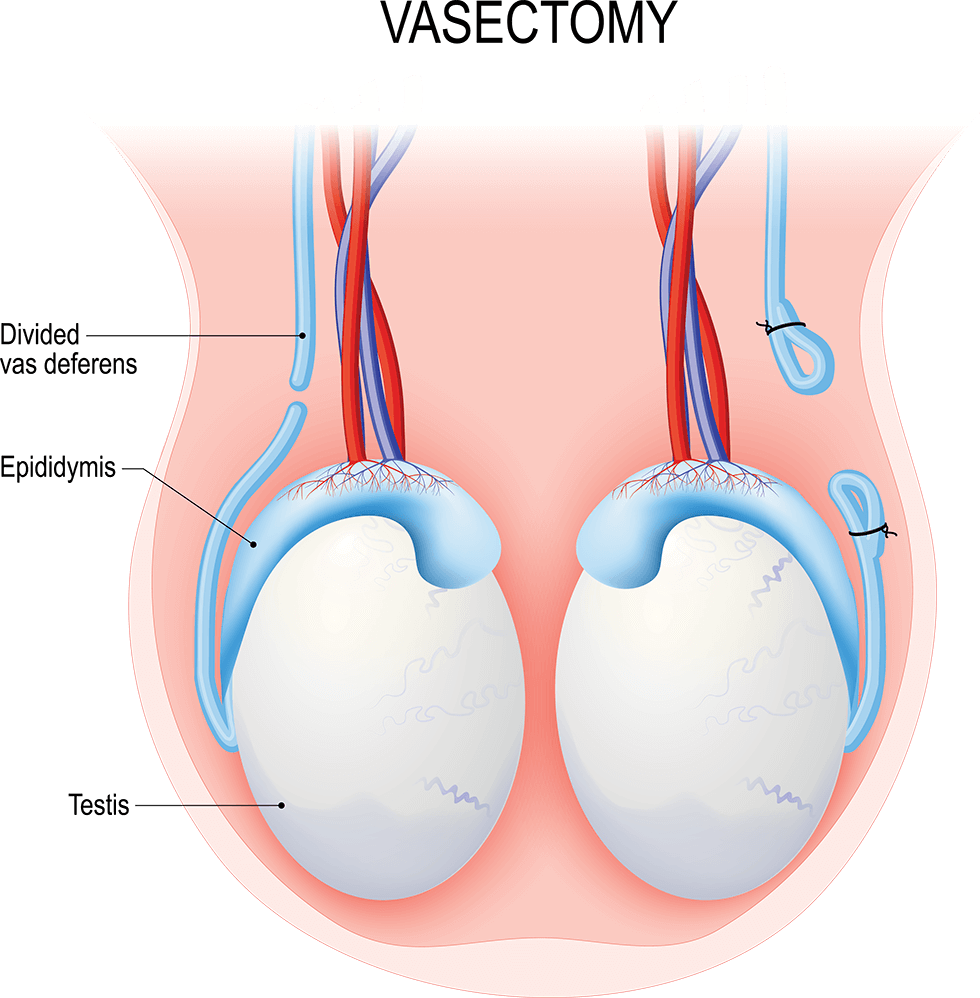
A vasectomy is a simple surgical procedure done to prevent pregnancy. It involves cutting two tiny tubes called the vasa deferentia. (One tube is called a vas deferens or vas.)
Typically, sperm cells travel through the vasa deferentia before they’re mixed with semen and ejaculated out of the body. By cutting these tubes, the sperm cells’ path is blocked. Instead of being ejaculated, the cells are absorbed by the man’s body.
What is a conventional vasectomy?
During a conventional vasectomy, the surgeon accesses the vasa deferentia through one or two small incisions in the scrotum, the sac that holds the testicles. After the vasectomy is done, the scrotal incisions are closed with dissolvable stitches.
What is a no-scalpel vasectomy?
With a no-scalpel vasectomy, the puncture heals on its own, and no stitches are necessary.
With a no-scalpel vasectomy, the surgeon accesses the vasa deferentia through a tiny puncture made in the scrotum. The puncture heals on its own, and no stitches are necessary.
How effective is a vasectomy?
After it takes effect, a vasectomy is about 99.95% effective in preventing pregnancy. This success rate makes it the second most effective form of birth control available. (The first is abstinence—not having sex at all.)
Where are vasectomy procedures done? How long do they take?
Most vasectomy procedures can be done in a urologist’s office. Occasionally, they may be done at a surgical center or hospital. They take about a half hour, and men can go home the same day.
Is a vasectomy covered by health insurance? How much does it cost?
Vasectomies are often covered by health insurance in the United States. A man should check with his insurance company for details on his specific coverage and his out-of-pocket costs. Costs can vary depending on location and the type of surgery needed.
Does it hurt to have a vasectomy?
Men are given local anesthesia (the area is numbed), so there shouldn’t be any pain. There might be some minimal discomfort after the anesthesia wears off. This can usually be managed with ice packs (placed over clothing) or acetaminophen (Tylenol). Aspirin or ibuprofen are not recommended, as they raise the risk of bleeding or bruising.
Can there be complications after a vasectomy?
All surgical procedures have some risk, but complications after a vasectomy are rare. In fact, the American Urological Association notes that complication rates are around 1% to 2%. Complications can include the following:
- Sperm granuloma. When a vas deferens is cut, stray sperm cells can leak out. The immune system responds, which can lead to inflammation and, eventually, a small mass called a sperm granuloma. The mass is benign (not cancerous). A sperm granuloma can cause some temporary discomfort, but it usually goes away on its own. Pain medications may help. If it is especially bothersome, it may need to be surgically removed.
- Infections. Some men develop an infection after their vasectomy. The infection is usually treated with antibiotics.
- Hematoma. A hematoma occurs when blood collects in the scrotum after surgery. It often goes away on its own, but men should call their doctor if their scrotum gets bigger or becomes painful.
- Post-vasectomy pain syndrome. About 1% to 2% of men have chronic pain after vasectomy due to fluid buildup in the scrotum. Pain medications and warm baths may help. In more severe cases, surgery—or a vasectomy reversal procedure—may be needed.
Research shows that men who have vasectomies are not at higher risk for cancer or ED.
Does a vasectomy raise a man’s risk for cancer or erectile dysfunction (ED)?
No. Research shows that men who have vasectomies are not at higher risk for cancer or ED.
What is the vasectomy recovery period like?
Most men take it easy for a day or two after their vasectomy. There may be some pain and swelling, but these symptoms can be managed with pain medication and cold packs.
Men who work desk jobs usually go back to work the next day. Heavy lifting is restricted for about a week, so men with more physically demanding jobs may need to adjust their routine.
Men should avoid ejaculation—through partnered sex or masturbation—for about a week.
Is a vasectomy effective immediately?
No. It takes time for sperm cells to “clear” each vas deferens after a vasectomy. For this reason, couples need to continue using another form of birth control for a few more months or about 20 ejaculations.
After that period, men can see their urologist for a semen analysis. The doctor will check a semen sample for sperm cells. If some remain, couples should continue using birth control for a bit longer. If the semen is clear of sperm, other birth control methods should no longer be needed.
The best way to know whether sperm cells have cleared is to have a semen analysis with a urologist.
What happens to sperm cells after a vasectomy?
Instead of being ejaculated, sperm cells are absorbed by the body. This process is harmless.

What is sex like after a vasectomy?
Sex drive and orgasms feel the same as they did before the procedure. Semen volume should also be about the same, as sperm makes up a small percentage. Partners don’t feel a difference either.
Some men find sex to be more exciting after a vasectomy because they can be more spontaneous. The anxiety of unwanted pregnancy is reduced.
Does a vasectomy protect against sexually transmitted infections?
No. While vasectomies are extremely effective in preventing pregnancy, they do not protect against sexually transmitted infections (STIs) like HIV, HPV, and gonorrhea. Couples should still practice safe sex by using condoms and/or dental dams. Regular testing for STIs may also reduce the risk of transmission.
Can a vasectomy be reversed?
Yes. In general, vasectomy is considered a permanent decision, and men should think carefully before having one. But there are times when a man decides he would like to father children after all. That’s when a vasectomy reversal may be considered.
A vasectomy reversal procedure reconnects the ends of the vasa deferentia, giving sperm cells a clear path out of the body. (In some cases, the end of a vas may need to be connected to the epididymis, a coiled tube that links a testis with a vas deferens. The epididymis stores sperm cells.)
Vasectomy reversals are more involved than vasectomies, and they don’t always lead to pregnancy. Success can depend on how much time has passed between the vasectomy itself and the reversal. The longer the time frame, the less likely a pregnancy will happen.
It also takes time—sometimes a few months to a year—before sperm cells reappear in the semen.
Other factors, including a man’s overall health and the health and age of his partner, play a role in getting pregnant, too.
Besides vasectomy reversal, are there other ways to become a biological father after having a vasectomy?
Yes. It might be possible to retrieve sperm cells from the testes. These cells can then be used for in vitro fertilization (IVF).
Some men have their sperm frozen and stored by a sperm bank before their vasectomy, just in case they change their mind about fatherhood later.
Resources
American Urological Association
Sharlip, I.D., et al.
“Vasectomy (2015)”
(Published 2012; Amended 2015)
https://www.auanet.org/guidelines-and-quality/guidelines/vasectomy-guideline
“Vasectomy”
(Last updated: December 2020)
https://www.urologyhealth.org/urology-a-z/v/vasectomy
Mayo Clinic
“Vasectomy”
(August 21, 2021)
https://www.mayoclinic.org/tests-procedures/vasectomy/about/pac-20384580
UpToDate
Viera, Anthony J., MD, MPH
“Patient education: Vasectomy (Beyond the Basics)”
(Topic last updated: February 16, 2021)
https://www.uptodate.com/contents/vasectomy-beyond-the-basics
“You are what you eat” has been a popular phrase in English for decades. And it makes sense. Much of a person’s overall health is linked to their eating habits. A balanced, nutritious diet can lower risk for a variety of health conditions, like heart disease and diabetes. And a diet full of fast food and TV dinners could have the opposite effect.

Scientists have studied the way a man’s eating habits may affect his ability to get erections. Not surprisingly, men with healthier diets often fare better.
This notion applies to sexual health, too. For example, scientists have studied the way a man’s eating habits may affect his ability to get erections. Not surprisingly, men with healthier diets often fare better.
So what should men eat? While choosing healthy foods is wise, researchers have found that the Mediterranean diet could be an easy, effective path to better erections in the future.
For example, a 2020 JAMA Network Open study investigated the link between diet and erections in over 21,000 men aged 40 to 75 living in the United States. The researchers discovered that men who followed a Mediterranean or similar diet were less likely to have erectile dysfunction (ED) compared to those who didn’t.
And in 2021, researchers presented preliminary results on this topic at the European Society of Cardiology’s annual meeting. After reviewing data from 250 men with high blood pressure and ED, they reported that the Mediterranean diet could be linked to better erectile function.
What is a Mediterranean Diet?
A Mediterranean diet is widely eaten in countries around the Mediterranean Sea, such as Spain, Italy, and Greece.
A Mediterranean diet is widely eaten in countries around the Mediterranean Sea, such as Spain, Italy, and Greece. Because it encompasses a variety of cultures, there’s no one “official” Mediterranean diet. But diets in this geographic area have some similarities:
- More plant-based foods. Fruits, vegetables, whole grains, nuts, and legumes (like beans and chickpeas) are staples of a Mediterranean diet.
- Limited red meat, eggs, and dairy. Red meat is seldom eaten on a Mediterranean diet. Eggs and butter are used sparingly.
- Moderate amounts of lean meats. Mediterranean diet followers eat poultry, like chicken and turkey, every once in a while.
- More seafood. Fish and shellfish—such as salmon, tuna, and clams—might be eaten several times a week.
- Healthy fats. Monounsaturated fats, like olive oil and avocados, are favored over saturated fats and trans fats, which are found in items like red meat, cakes, cookies, and processed foods.
- Fewer desserts. Sweets and traditional desserts are eaten in moderation. Fruit is a frequent dessert substitute.
- Alcohol. Alcoholic beverages, such as red wine, are included in a Mediterranean diet, but only if safe to do so. People should avoid alcohol if they are pregnant, tend to misuse alcohol, or have a health condition that worsens with alcohol use.
- Fewer processed foods. Following a Mediterranean diet often means preparing meals from fresh, basic ingredients rather than relying on processed foods.
Mediterranean Diet and ED: What’s The Connection?
How might a Mediterranean diet help with a man’s erections?
It’s good for the cardiovascular system
This system includes the heart and the roughly 60,000 miles of blood vessels throughout the body. Some of these blood vessels are in the penis. Because a firm erection depends on blood flow, these blood vessels need to be clear.
Research suggests that the Mediterranean diet keeps the lining of blood vessels healthy and reduces the risk of atherosclerosis (hardening of the arteries), which can interfere with blood flow. With the path open, blood can flow to the penis—and form an erection—more easily.
It helps with the production of nitric oxide
This chemical plays an important role in erections. Before blood can flow into the penis for an erection, the arteries need to relax and dilate. Nitric oxide is essential for this process.
It lowers a man’s risk for diabetes
Men with diabetes are at higher risk for ED than men without diabetes. They also tend to get ED several years earlier.
High blood sugar can damage blood vessels and nerves. As noted above, blood vessel damage can limit blood flow into the penis. And nerve damage can interfere with signals from the brain that “tell” the penis to start an erection when a man is sexually aroused.
It helps with weight management
The heavier a man is, the higher his risk for ED. A healthy diet, combined with physical activity, can be a good way to manage weight. That said, people still need watch their calories, even with a Mediterranean diet.
Putting it All Together
So can eating a Mediterranean diet prevent ED altogether? Could it cure ED?
Scientists aren’t sure yet, but they’re interested in finding out. For now, research suggests that men who follow a healthier diet could be less likely to develop ED later. But researchers don’t know yet whether diet can prevent ED altogether or whether changing dietary habits can improve ED in men who already have trouble with erections.
The good news, however, is that a healthy diet benefits the body from head to toe. And many people find that taking care of the whole body improves their sexual health as well as their overall wellbeing.
Resources
Central European Journal of Urology
Di Francesco, Simona and Raffaele Lanfranco Tenaglia
“Mediterranean diet and erectile dysfunction: a current perspective”
(Published: June 11, 2017)
http://cejuonline.eu/journal/2017/mediterranean-diet-sexual-function-erectile-dysfunction-nitric-oxide-1356.php
Cleveland Clinic
“Blood Vessels”
https://my.clevelandclinic.org/health/body/21640-blood-vessels
(Last reviewed: July 9, 2021)
European Society for Cardiology
“Mediterranean diet shows promise in men with erectile dysfunction”
(Press release. August 25, 2021)
https://www.escardio.org/The-ESC/Press-Office/Press-releases/mediterranean-diet-shows-promise-in-men-with-erectile-dysfunction
EverydayHealth.com
Salomon, Sheryl Huggins
“8 Scientific Health Benefits of the Mediterranean Diet”
(March 19, 2019)
https://www.everydayhealth.com/mediterranean-diet/scientific-health-benefits-mediterranean-diet/
HealthDay.com
Thompson, Dennis
“Change in the Kitchen Could Help Men in the Bedroom”
(August 30, 2021)
https://consumer.healthday.com/8-26-one-change-in-the-kitchen-could-help-men-in-the-bedroom-2654761030.html
JAMA Network Open
Bauer, Scott R., MD, ScM, et al.
“Association of Diet With Erectile Dysfunction Among Men in the Health Professionals Follow-up Study”(Published: November 13, 2020)
https://jamanetwork.com/journals/jamanetworkopen/fullarticle/2772916
MedlinePlus.gov
“Mediterranean diet”
(Review date: July 13, 2020)
https://medlineplus.gov/ency/patientinstructions/000110.htm
Stroke
Jimenez-Torres, Jose, et al.
“Mediterranean Diet Reduces Atherosclerosis Progression in Coronary Heart Disease: An Analysis of the CORDIOPREV Randomized Controlled Trial”
(Originally published: August 10, 2021)
https://www.ahajournals.org/doi/full/10.1161/STROKEAHA.120.033214
Surgery for Localized Prostate Cancer – Weighing Your Options
Men who have been diagnosed with prostate cancer typically have many questions. That is certainly understandable. Perhaps the most common question: What can you expect from treatment?
Treatment decisions are often based on the extent of the cancer. The term localized is used to describe prostate cancer that hasn’t spread outside the prostate gland. Another term for localized cancer is organ-confined cancer.
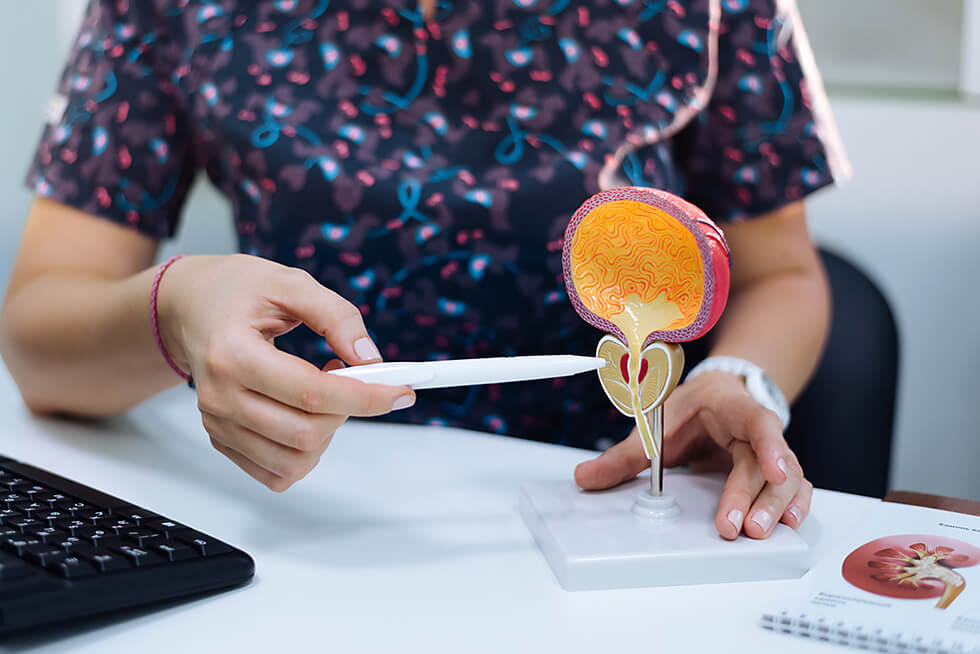
A cancer diagnosis typically includes a discussion of cancer stages– the degree to which the cancer has progressed. Here’s an overview:
Stage 1.
Stage 1 is the earliest stage of prostate cancer, when cells are not growing as quickly. The tumor can’t be detected during a digital rectal exam (DRE).
Stage 2.
During stage 2, the tumor is confined to the prostate gland. The tumor might be detected during a DRE. At this stage, the cancer is still found only in your prostate gland, but the risk of it growing and spreading to other areas is higher.
Stage 3.
During stage 3, the tumor is growing. At this point, it is likely to continue to grow and may begin to spread, even to other areas of the body, like the seminal vesicles (glands that produce seminal fluid), bladder, or rectum.
Stage 4.
At stage 4, cancer has spread outside the prostate gland. It is no longer localized.
Treatment decisions are often based on the extent of the cancer.
Localized prostate cancer is treated in several ways. A combination of treatments may be recommended. Here are some examples:
- Active surveillance involves monitoring the cancer through regular tests. Treatment begins if and when necessary.
- Watchful waiting is a wait-and-see approach similar to active surveillance. However, regular testing is not done.
- Radiation therapy uses high energy rays to destroy cancer cells or slow down their spread.
- Hormonal therapy (also called androgen deprivation therapy or ADT), cuts the supply of testosterone and other male hormones that fuel the growth of prostate cancer cells.
- Cryotherapy (cryoblation) destroys cancer cells by freezing them.
Surgery is another option.

The surgical procedure for treating localized prostate cancer is called a radical prostatectomy, and it involves removing the entire prostate, seminal vesicles, and some surrounding tissue. Sometimes, lymph nodes are also removed.
By far, the most common procedure is robot-assisted laparoscopic prostatectomy (RALP).
Robotic surgery is routine nowadays
In laparoscopic procedures, about 6 small 1- to 2-inch incisions are made in the abdominal wall. These incisions are called “ports,” and they provide access for surgical instruments. One of the instruments, the laparoscope, includes a tiny camera that guides the surgeon’s movements.
With a robotic procedure, the surgeon sits at a computer monitor and controls the movements of a robot that holds the instruments. Robotic surgery is routine nowadays, and surgeons using this technology receive thorough training.
Laparoscopic prostatectomies can be done without robots, too. In a traditional laparoscopic procedure, the surgeon holds the instruments.
In rare cases, an open prostatectomy is performed. In an open procedure, the surgeon will remove the prostate through one long incision (about 8 to 10 inches). Usually, the incision is between the belly button and pubic bone (called a radical retropubic prostatectomy) or between the anus and scrotum (a radical perineal prostatectomy).
No matter the type of surgery, there are two potential key complications to prepare for:
Erectile dysfunction (ED)
ED is difficulty getting and keeping an erection rigid enough for intercourse. It’s not uncommon after prostate cancer surgery. That’s because the prostate gland is surrounded by nerves that are essential for erectile function. While surgeons take care to preserve as many nerves as possible, some nerve damage can occur.
Often, men undergo nerve-sparing procedures. In these cases, the surgeon takes special measures to keep erectile nerves intact. Research suggests that nerve-sparing surgeries have better erectile function outcomes than non-nerve-sparing procedures.
Many men find their erectile function improves over time, but recovery will likely require patience. It can take up to two years after surgery to see sustained progress in erectile firmness. Fortunately, there are several treatments for ED.
Incontinence
Leaking urine after prostatectomy is quite common. It might be difficult to empty your bladder, or urine might leak when coughing or working out. Some men feel like they have to urinate right away. This side effect usually goes back to normal within a few months, but it can be frustrating while enduring it. Various assistive and therapeutic strategies are available.
Older men are more likely to have trouble with erections or incontinence than younger men. However, both conditions can be treated in men of all of ages.
Is Robot-Assisted Laparoscopic Prostatectomy (RALP) Better Than Open Prostatectomy?
Not necessarily. All types of surgery are effective for removing the prostate gland and treating prostate cancer. And the sexual and urinary side effects are similar for all approaches.
However, laparoscopic approaches do have some advantages over open prostatectomy:
- They’re less invasive.
- They use smaller incisions, which heal more quickly.
- There is typically less bleeding and less pain.
- Most men have shorter hospital stays (usually about a day or two, compared to a few days with open prostatectomy).
- Men are catheterized for a shorter period of time. (A catheter is a thin tube that allows urine to flow from the bladder to a collection bag.)
How about robotic vs. traditional laparoscopic prostatectomy? Research presented in 2020 suggests that men who have robotic procedures have better bladder control after surgery. Future research may shed more light on this issue.
The decisions we make with our patients about their treatment path require processing and understanding a good deal of information. Questions are always welcome. Comprehensive support will be provided both before and after surgery.
Resources
American Cancer Society
“Surgery for Prostate Cancer”
(Last revised: August 1, 2019)
https://www.cancer.org/cancer/prostate-cancer/treating/surgery.html
American Urological Association
Sanda, Martin G., et al.
“Clinically Localized Prostate Cancer: AUA/ASTRO/SUO Guideline (2017)”
(Published: 2017)
https://www.auanet.org/guidelines/guidelines/prostate-cancer-clinically-localized-guideline
American Society of Clinical Oncology (ASCO)
“Prostate Cancer: Stages and Grades”
(Approved by Editorial Board: November 2019)
https://www.cancer.net/cancer-types/prostate-cancer/stages-and-grades
“Prostate Cancer: Types of Treatment”
(Approved by Editorial Board: November 2019)
https://www.cancer.net/cancer-types/prostate-cancer/types-treatment
Medscape Medical News
Freeman, Sara
“Better Continence Rate Gives Robotic Prostatectomy the Edge”
(August 5, 2020)
https://www.medscape.com/viewarticle/935215
National Cancer Institute
“Prostate Cancer Treatment (PDQ®)–Patient Version”
(Updated: June 26, 2020)
https://www.cancer.gov/types/prostate/patient/prostate-treatment-pdq
Urology Care Foundation (American Urological Association)
“Insights: Radical Prostatectomy”
(Winter 2018)
https://www.urologyhealth.org/patient-magazine/magazine-archives/2018/winter-2018/insights-radical-prostatectomy
“What is Prostate Cancer?”
(Updated: January 2020)
https://www.urologyhealth.org/urologic-conditions/prostate-cancer
“What You Should Know About Surgery for Prostate Cancer”
(2018)
Downloadable PDF via https://www.urologyhealth.org/urologic-conditions/prostate-cancer#Surgery
UpToDate.com
Klein, Eric A., MD
“Patient education: Prostate cancer treatment; stage I to III cancer (Beyond the Basics)”
(Topic last updated: January 8, 2019)
https://www.uptodate.com/contents/prostate-cancer-treatment-stage-i-to-iii-cancer-beyond-the-basics
You might already have an exercise program for toning your abs, biceps, triceps, hamstrings, and quads. By stressing your muscles through exercise, you can improve stamina, posture, and mood, reduce the risk for chronic disease, and generally support your overall health.
How about your pelvic floor?
Your pelvic floor muscles support your pelvic organs, including your bladder. They are sometimes compared to a hammock—a layer attached to your sit bones (i.e., bones in the lower part of your pelvis), tail bone, and pubic bone—that keeps your pelvic organs in place.
Just like any muscle group, your pelvic floor can weaken over time. This happens as we age, but it can also happen after certain circumstances, such as pregnancy, childbirth, or prostate surgery. Being overweight can take a toll on pelvic floor muscles, too.
Just like any muscle group, your pelvic floor can weaken over time.
It’s easy to keep your pelvic floor muscles in shape. Kegel exercises (also called pelvic floor muscle training) have been around for decades. They were first developed by American gynecologist Arnold Kegel in the 1940s. But they’re not just for women. Men benefit from Kegels too.
Why should men and women do Kegels?
Urologists often recommend Kegel exercises to people with overactive bladder, pelvic organ prolapse, and other urologic issues, such as incontinence (urine leakage). Strengthening and toning pelvic floor muscles can help with these problems.
Kegels can have sexual benefits, too. Men may have improved erections. Women who do Kegel exercises regularly often find that vaginal penetration becomes more comfortable. Orgasms may intensify for both men and women.
One you learn the technique, Kegel exercises are easy to do. You need no special equipment, and they can be done anywhere. They’re also discreet; nobody will know when you’re doing Kegels.
Note: Kegels aren’t appropriate for everyone. In some cases, pelvic floor problems develop because the muscles are too tense and are difficult to relax, making Kegels less effective. Your doctor can guide you on your personal situation.
How do I get started with Kegels?
While Kegels are simple, they need to be done correctly, so talk to a doctor or other healthcare professional before making them part of your routine.
The most important aspect of Kegel exercises is making sure you’re working the right muscle group. Here are some ways to make sure:
- Imagine that you’re about to pass gas. Squeeze the muscles that would stop you from doing so. The pulling sensation you feel when you squeeze indicates your pelvic floor muscles.
- The next time you urinate, stop the urine flow midstream, paying attention to the muscles you use. If you can stop the flow, you have found your pelvic floor muscles.
- Women might try putting a finger inside their vagina, then imagining they’re stopping their urine stream. When squeezing the muscles, they should feel a tightness around their finger.
It can take time and practice to determine which muscles to target.
Each time you squeeze those muscles, you’re doing a Kegel.
At first, try holding each Kegel for a second or two. Then relax for a few seconds. Then Kegel again. This pattern of repeated squeezing and relaxing is the core component of a Kegel exercise program.
Over time, as your pelvic floor starts to strengthen, you should find that you can hold Kegels for longer durations. Ten seconds is a good goal, but if you can’t do it at first, that’s fine. Your ability to hold the Kegel for longer periods of time should improve with repetition.
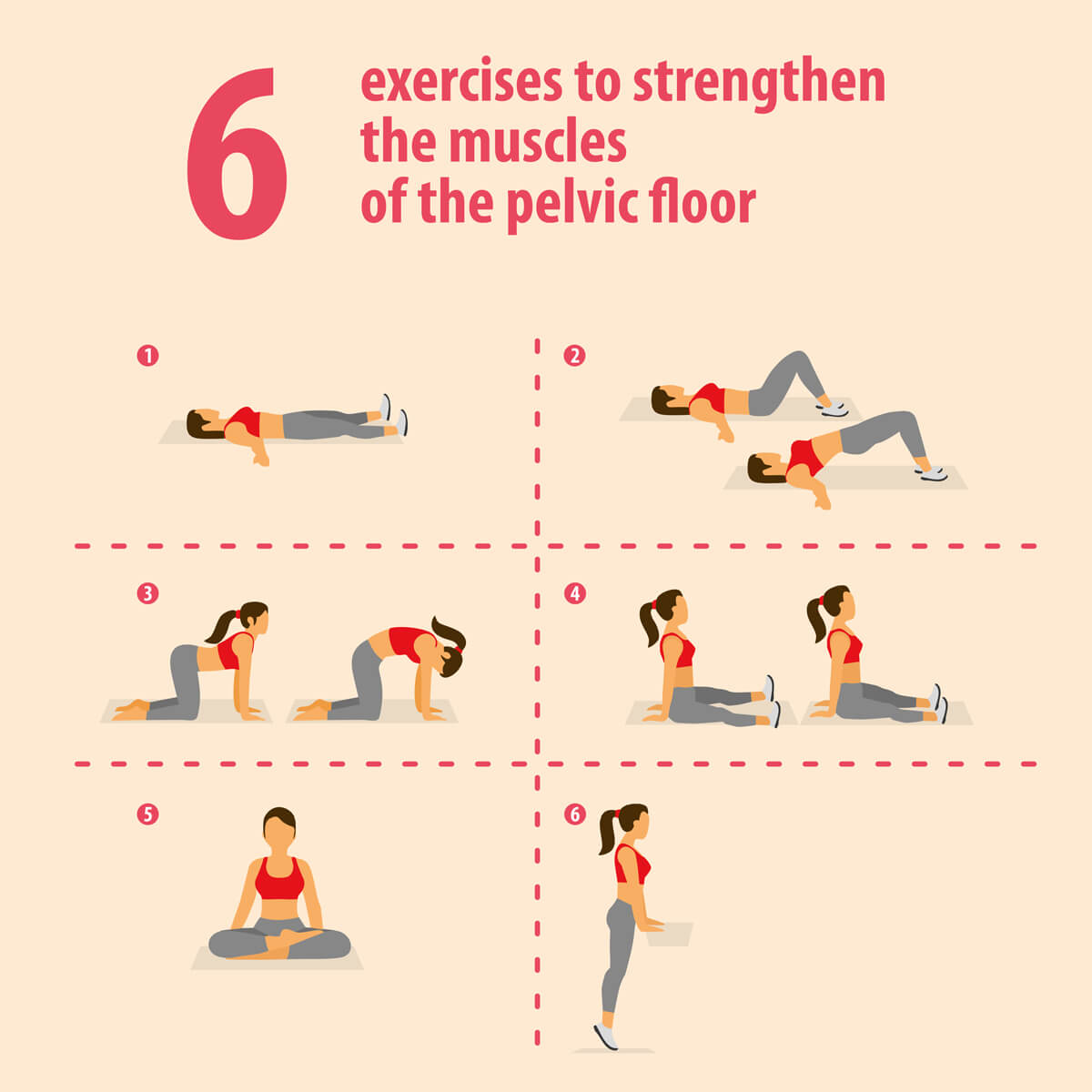

Create a Kegel exercise plan
Once you’ve gotten the hang of Kegels, make them a daily routine. Some experts recommend doing Kegel exercises 3 times a day in sets of 10 to 15 squeeze-relax repetitions (sometime called reps).
You can also vary your position. Consider doing some of your Kegels while standing, others while sitting, and the rest while lying down.
Another way to vary your Kegels is to do short or long reps. Short reps are quick in succession: you hold each Kegel for a couple seconds, relaxing for a few seconds in between each one. For long Kegels, you hold each Kegel for a longer period (such as 10 seconds) with an equal rest time in between each one. Doing short and long reps gives your pelvic floor more comprehensive training.
A word about weights: Some people use special weights or cones to enhance their Kegel practice. You might see some of these products for sale. Such devices should be purchased and used only with the guidance of a qualified healthcare professional.
Tips for doing Kegel exercises
As you start out with Kegels, keep these tips mind:
- Make sure you’re relaxing your pelvic floor muscles between each Kegel squeeze. This resting period is part of the program and to avoid injury, it’s important not to skip it.
- Make sure the muscles in your stomach, back, thighs, and buttocks stay relaxed while you do your Kegel exercises. Focus on your pelvic floor only.
- Breathe normally. Don’t hold your breath while you’re doing Kegels.
- Don’t do Kegel exercises while you’re urinating. This can actually weaken the pelvic floor and damage your kidneys and bladder.
- Don’t overdo it! As the saying goes, “all things in moderation.” This idea applies to Kegels. If you do too many Kegels, your pelvic floor can become too tight, and that can lead to urine leaks, pelvic organ prolapse, and sexual pain.
Getting Results
Once you start a regular routine of doing Kegels, you should start seeing a difference in about 4 to 6 weeks. This might mean fewer urine leaks, fewer trips to the bathroom, or improved sexual health. However, for some people, improvement takes longer, so we encourage you to stick with it.
Resources
Healthline.com
Crouch, Marcy, PT, DPT, CLT, WCS
“Yes, You Really Can Do Too Many Kegels. Here's What Happens”
(December 11, 2020)
https://www.healthline.com/health/parenting/yes-you-really-can-do-too-many-kegels-heres-what-happens
National Association for Continence
“Kegel Exercises: A Step-By-Step Guide”
https://www.nafc.org/kegel-exercises
“Kegel Exercises for Men”
https://www.nafc.org/kegel-exercises-for-men
National Institute of Diabetes and Digestive and Kidney Diseases
“Kegel Exercises”
(Last reviewed: April 2014)
https://www.niddk.nih.gov/health-information/urologic-diseases/kegel-exercises
Urology Care Foundation
“Kegel and Pelvic Floor Exercises”
(April 1, 2019)
https://www.urologyhealth.org/healthy-living/care-blog/2019/kegel-and-pelvic-floor-exercises
VoicesForPFD.org (American Urogynecologic Society)
“Pelvic Floor Muscle Exercises and Bladder Training”
(2016)
https://www.voicesforpfd.org/assets/2/6/Bladder_Training.pdf
“Pelvic Floor Muscle Strengthening”
https://www.voicesforpfd.org/assets/2/6/Kegel_Exercises.pdf
WebMD
Fries, Wendy C.
“Kegel Exercises: Treating Male Urinary Incontinence”
(Medically reviewed: July 21, 2020)
https://www.webmd.com/urinary-incontinence-oab/kegel-exercises-treating-male-urinary-incontinence
What You Should Know About Kidney Stones During Pregnancy
Kidney stones are a fairly common urological problem, affecting about 1 in 10 people at some point in their life. But kidney stones can be a particular challenge for pregnant women. The way stones are diagnosed and treated may need to be adjusted during pregnancy for the safety of the mother and her baby.
Still, pregnant women with kidney stones have several treatment options. And it’s important to know that without treatment, kidney stones can lead to premature labor, so it’s necessary to address them.

What are kidney stones?
Kidney stones are small, crystallized masses that form in the kidneys or ureters (the tubes connecting the kidneys to the bladder). Most stones are made from calcium, but they can also be formed from uric acid, struvite, and cystine, which are naturally occurring compounds in the human body. Kidney stones come in various shapes and sizes and can be smooth or jagged, small as a pea, or as large as a golf ball.
Most kidney stones are small enough to pass through the urinary tract on their own. A person with a small kidney stone might not have any symptoms.
But larger stones can block urine flow and cause a significant amount of pain. In fact, abdominal pain is one of the most common symptoms of kidney stones. Some people have nausea and vomiting, along with a need to urinate more urgently and frequently. Blood in the urine is another symptom.
How common are kidney stones in pregnant women?
It’s estimated that kidney stones occur in about 1 of every 500 to 3,000 pregnancies, so having kidney stones during pregnancy is fairly rare.
However, research suggests that risk for first-time kidney stone formation is higher at certain points in a pregnancy.
In 2021, the American Journal of Kidney Diseases published a study on the topic. Researchers found that in pregnant women, risk for developing first-time symptomatic kidney stones increased during the second and third trimesters of pregnancy.
Interestingly, the peak time to develop kidney stones was during the first 3 months after delivery. About a year after the delivery date, risk returned to pre-pregnancy levels.
Risk was higher in pregnant women who were obese.
Why are pregnant women more at risk for kidney stones?
Pregnant women are more prone to kidney stones for the following reasons:
- Pregnant women are more susceptible to dehydration. A growing baby puts pressure on a woman’s bladder, increasing the need to urinate. As a result, pregnant women might not drink as much fluid as they should, and dehydration can lead to kidney stones.
- Changes occur in urine composition during pregnancy. Pregnant people tend to have more calcium in their urine, and most kidney stones are calcium-based.
- Hormonal changes in pregnant women make it more difficult to clear urine from the body. Pregnant women have higher levels of the hormone progesterone, which contributes to urinary stasis (halting of or slowing of urine flow). As a result, stone-forming compounds have more opportunity to crystallize.
How are kidney stones diagnosed in pregnant women?
Diagnosis starts with a medical history. Designing a personalized treatment plan requires knowing more about your symptoms, your pregnancy, and your medical background.
Lab tests are also an important diagnostic tool. These include blood tests and urine tests. Urine tests may reveal if stone-forming substances are present.
Imaging tests may also be ordered. These tests can reveal the location, size, and shape of any kidney stones:
- Ultrasound. Ultrasound technology uses sound waves to create images of internal organs. (It’s also used to monitor the development of a baby in the uterus.) No radiation is used with ultrasounds, so they are perfectly safe for both the patient and the fetus. For a kidney stones diagnosis, ultrasound technicians focus on the kidney and pelvic area.
- Magnetic resonance (MR) urography. Urography refers to imaging of the urinary tract: kidneys, ureters, bladder, and urethra. Magnetic resonance (MR) technology creates images using magnet and radio waves. Like ultrasound technology, MR does not use radiation.
- Low-dose computed tomography (CT scan). A CT scan (sometimes called a “cat scan”) uses x-rays to create images. Because this method does involve radiation, it is recommended for the second and third trimesters only, not the first trimester.
How are kidney stones treated in pregnant women?
Kidney stone treatment in pregnant women requires a team approach. Urologists work with obstetricians and other healthcare specialists to make sure treatment is safe and appropriate.
Initial therapies may include the following:
- Observation. Generally, treatment starts with observation, a “wait and see” approach, as most stones pass on their own. Some doctors recommend bed rest, increased fluid intake, and a low-salt diet.
- Pain relief. Patients might be given pain relievers, such as acetaminophen. Other medications, such as non-steroidal anti-inflammatory drugs (NSAIDS) might be prescribed depending on the stage of the pregnancy. Patients should take their medication exactly as prescribed.
- Hydration. Patients may be advised to drink more fluids. Others may receive hydration via intravenous (IV) fluids at the doctor’s office to help stones pass.
If stones do not pass easily, procedures to extract stones or effect passage of urine around stones are considered. If symptoms are not severe, such procedures might be delayed until after the baby is born. In the case of more serious symptoms, trouble urinating, or a urinary tract infection, the patient may undergo treatment during the pregnancy. (In emergencies, these procedures might take place right away.)
The treatment team will carefully consider choices related to any anesthesia and related drugs given during these procedures.

Procedures to extract stones or effect passage of urine around stones include the following:
- Ureteroscopy. Patients undergoing ureteroscopy receive anesthesia. Once it has taken effect, the urologist places a long, thin instrument called a ureteroscope through the urethra and bladder to the ureter or kidney. The ureteroscope is like a tiny telescope that allows the doctor to see into the affected area. The ureteroscope also has a grasping mechanism that allows it to either remove the stone or break it into smaller stones that can pass through urine.
- Stent. A stent is a plastic tube that is surgically placed in the ureter to keep it open. With a stent, urine—and the stone—may flow through the ureter more easily. Stents are temporary; in pregnant patients, they are usually replaced every 4 to 6 weeks.
- Nephrostomy tube. A nephrostomy tube is a type of catheter used to drain urine from the kidney. Typically, urine flows from a kidney to the bladder through a ureter that connects these two organs. With a nephrostomy tube, urine bypasses the ureter and bladder. The surgeon creates a special opening called a stoma on the patient’s side. The nephrostomy tube runs from the kidney and through the stoma, connecting to a urine collection bag outside the body.
Like stents, nephrostomy tubes are temporary and may need to be changed periodically. Patients receive thorough instructions on the care of their tube and the changing of their urine collection bag.
Resources
American Academy of Family Physicians
“Magnetic Resonance Imaging (MRI)”
(Last updated: June 23, 2020)
https://familydoctor.org/magnetic-resonance-imaging-mri/
American Journal of Kidney Diseases
Thongprayoon, Charat, et al.
“Risk of Symptomatic Kidney Stones During and After Pregnancy”
(Published: April 15, 2021)
https://www.ajkd.org/article/S0272-6386(21)00402-9/fulltext
American Urological Association
Assimos, Dean, et al.
“Surgical Management of Stones: AUA/Endourology Society Guideline (2016)”
(Published: 2016)
https://www.auanet.org/guidelines/guidelines/kidney-stones-surgical-management-guideline
Healthline.com
Seladi-Schulman, Jill, PhD
“Caring for Your Nephrostomy Tube”
(Update: September 18, 2018)
https://www.healthline.com/health/nephrostomy-tube-care
MedlinePlus.gov
“CT Scans”
(Page last updated: April 12, 2021)
https://medlineplus.gov/ctscans.html
“Ultrasound”
(Page last reviewed: December 15, 2020)
https://medlineplus.gov/lab-tests/sonogram/
Medscape
Harrison, Pam
“Pregnancy Increases Risk for Symptomatic Kidney Stone”
(April 28, 2021)
https://www.medscape.com/viewarticle/950073
Nature Reviews | Urology
Semins, Michelle J. and Brian R. Matlaga
“Kidney stones during pregnancy”
(Published online: February 11, 2014)https://www.nature.com/articles/nrurol.2014.17" https://www.nature.com/articles/nrurol.2014.17
Accessed via: https://svmi.web.ve/wh/intertips/7.UROLITIASIS-Y-EMBARAZO.pdf" https://svmi.web.ve/wh/intertips/7.UROLITIASIS-Y-EMBARAZO.pdf
NEJM Journal Watch
O'Dwyer, Marie Claire, MB BCh BAO, MPH
“Are Pregnant people More Likely to Develop Kidney Stones?”
(September 22, 2021)
https://www.jwatch.org/na54060/2021/09/22/are-pregnant-women-more-likely-develop-kidney-stones
UpToDate
Preminger, Glenn M., MD and Gary C. Curhan, MD, ScD
“Kidney stones in adults: Kidney stones during pregnancy”
(Topic last updated: November 11, 2021)
https://www.uptodate.com/contents/kidney-stones-in-adults-kidney-stones-during-pregnancy
Urology Care Foundation
“Pregnancy and Kidney Stones”
(Summer 2019)
https://www.urologyhealth.org/healthy-living/urologyhealth-extra/magazine-archives/summer-2019/did-you-know-pregnancy-and-kidney-stones
“Preventing and Treating Kidney Stones”
(Summer 2014)
https://www.urologyhealth.org/healthy-living/urologyhealth-extra/magazine-archives/summer-2014/preventing-and-treating-kidney-stones
Urology Marketing Center
“Kidney Stones”
https://www.hsadeghi.com/patient-education/kidney-stones/
Physicians have been using urinalysis, or urine testing, as a diagnostic tool for about 6,000 years. Nowadays, with updated and improved methods, it remains an effective, quick, and easy way to find out more about your overall health. In fact, you may have already had one at an annual physical or other medical appointment.
In our office, we use urinalysis to diagnose urologic conditions, like kidney stones and urinary tract infections. We also use urine tests to monitor your progress if you’ve already been diagnosed.
What do we look for?
A urinalysis has 3 main parts: a visual test, a microscope test, and a dipstick test
In general, a urinalysis has 3 main parts:

A visual test
The color of your urine can tell us a lot. Normal urine is usually clear or pale yellow. But if it has a red, pink, or brown tint to it, that could signify blood in your urine (hematuria). If it’s cloudy, you might have an infection. If it’s foamy, that could be a sign of kidney disease.
A microscope test
We use a microscope to look for what isn’t so obvious. For example, blood can be present in your urine even if it looks normal. This is called microhematuria. The blood cells are so small, you can’t see them with the naked eye. They can be detected only with a microscope.
In addition, a microscope test can show bacteria and white blood cells – two signs of infection. It might also show us crystals in your urine that could eventually develop into kidney stones.

A dipstick test
This test tells us whether certain chemicals or other substances, such as proteins and sugars, are in your urine. It measures your urine’s acidity (pH). A higher pH might indicate kidney stones, urinary tract infections, or other urological conditions. It also measures the concentration (also called the specific gravity) of your urine, which tells us how hydrated you are.
The dipstick itself is a strip of specially-treated plastic that we place in your urine sample. If certain chemicals are present or fall within abnormal ranges, areas of the dipstick will change color.
Sometimes, a dipstick test is done with tablets placed in the urine sample. But the general idea is the same; the tablets can detect certain chemicals in the urine.
Taken together, all of these analyses give clues that help us diagnose your urological problem. We’ll also conduct a physical exam and consider your health history, family medical history, medications, and lifestyle habits to get a complete picture.
We use urinalysis to diagnose urologic conditions, like kidney stones and urinary tract infections
How do I prepare for a urine test?
We can do a urinalysis here at the office. Or you might prepare your urine sample at home and bring it to us. We’ll give you specific instructions ahead of time. For example, we might ask for a fasting urine sample taken first thing in the morning. If that’s the case, then you’ll collect your urine before eating anything that day.
We might also advise you not to take certain medications or supplements beforehand, as these can affect the results. Similarly, some foods and beverages can make urine change color. We’ll let you know the specifics for your urine test. And as always, if you have any questions, please give us a call.
What is a “clean-catch” sample?
Giving a urine sample is fairly simple, but it’s important for it to be a clean-catch sample. When you urinate, germs from your genital area can mix in with urine. The clean-catch method eliminates this mixing as much as possible.
For this test, we’ll give you a clean catch kit. Your kit will contain sterile wipes, a sterile cup, and a label with your name on it.
- Start by washing your hands thoroughly with soap and water. Take the lid off the cup.
- Use the sterile wipes to clean your genitals before you urinate. Women will wipe the inner folds of their labia and the area around their urethra. Men will clean the tip of their penis. (Uncircumcised men should retract their foreskin first.)
- Next, start urinating into the toilet bowl. Then stop for a moment. In other words, hold the flow of urine.
- Carefully position the cup so that urine can flow into it.
- When the cup is about halfway full, stop the flow again. Put the cup aside and finish urinating into the toilet bowl.
- Put the lid securely on the cup without touching the inside. Be sure not to touch the urine either.
- We’ll let you know where to place your sample. If you collect your sample at home, it should be refrigerated unless we tell you otherwise.
Once your sample is analyzed by the lab, we’ll contact you and go over the results and next steps.
Urinalysis doesn’t always give a complete picture of your health, but it will tell us what needs watching and follow-up. Remember, we are always here to answer your questions.
Resources
European Association of Urology
“Urine Test”
(Last updated: February 2021)
https://patients.uroweb.org/tests/urine-test/
HealthCommunities.com
“Urinalysis”
(Page last modified: July 23, 2015)
[Accessed via www.archive.org]
Mayo Clinic
“Urinalysis”
(October 23, 2019)
https://www.mayoclinic.org/tests-procedures/urinalysis/about/pac-20384907
MedlinePlus
“Clean catch urine sample”
(Page last updated: January 5, 2021)
https://medlineplus.gov/ency/article/007487.htm
“Urinalysis”
(Page last updated: June 9, 2020)
https://medlineplus.gov/urinalysis.html
National Kidney Foundation
“What is a Urinalysis (also called a "urine test")?”
https://www.kidney.org/atoz/content/what-urinalysis
StatPearls [Internet] via PubMed.gov
Milani, Daniel A. Queremel and Ishwarlal Jialal
“Urinalysis”
(Last update: May 9, 2021)
https://pubmed.ncbi.nlm.nih.gov/32491617/
Urology Care Foundation
“What is a Urinalysis?”
https://urologyhealth.org/urology-a-z/u/urinalysis
WebMD
“The Truth About Urine”
(Reviewed: February 15, 2020)
https://www.webmd.com/urinary-incontinence-oab/truth-about-urine
Managing Stress Could Improve Male Fertility
You probably know that stress can have some negative effects on your health. That missed deadline at work can trigger a pounding headache. Worrying about a sick family member might keep you awake all night. And an unexpected car repair bill can leave a queasy feeling in your stomach.
Stress might have an effect on your fertility as well. While the scientific data isn’t firm, several studies have suggested a link between stress and male infertility.
For example, research has shown that stress may lead to a decline in testosterone, a hormone needed for sperm production.
Research also suggests that men under stress may have poorer semen quality. That means that sperm cells aren’t well-formed and could have trouble swimming and fertilizing an egg cell.
While day-to-day stress is difficult enough, the situation can become compounded if you and your partner have been trying to conceive for a while.
Research also suggests that men under stress may have poorer semen quality
Fertility treatment is complex. You’re juggling appointments with specialists and opening up about a very personal part of your life. You and your partner are likely having emotional ups and downs - feeling sad, optimistic, frustrated, disappointed, hopeful, sometimes in a short period of time.

What can you do? It’s easy for us to say “relax.” But that could be one of the keys to increase your chances of conceiving.
We can’t stop stressful events from happening. But we can control how we react to them. Here are some time-tested stress management strategies that may also work for you:
Put a positive spin on it. If you can, reframe the way you view a problem. Is there a way to turn a negative into a positive? Can you break down a problem into small steps and handle them one at a time? Remind yourself that you are doing the best you can.
Try perspective-building activities. You may have heard the expression, “Don’t sweat the small stuff, and remember… it’s ALL small stuff.” Well, built into disciplines such as meditation, yoga, and tai chi, are exercises that help put the challenges of everyday life into perspective. These activities might help release you from the thought patterns that can lead to unproductive stress. Even just listening to music you enjoy may help transport you to a place where you can view challenges from a fresh perspective.
Participate in activities you enjoy. When you’re involved in activities that bring you joy, it also helps put stress in perspective, or at least puts stress on the back burner. Contemplating fun activities gives you something to look forward to and to reflect back on and has the effect of pushing stress-inducing thoughts to the side. It’s important to find out what brings you peace and happiness and incorporate it in your routine.
Take care of your relationship. You and your partner are a team, not just in your desire to have a child, but in all that you do. Providing the support to your partner that you would hope to receive from her helps you each shield one another from stress-inducing events.
Take care of yourself. It’s easy to let self-care slide when you’re feeling stressed. Make sure you’re eating right, getting enough sleep, and exercising. Exercising regularly is a good way to manage anxiety and depression, too (it impacts brain chemistry). It’s important to limit your use of alcohol or recreational drugs because they have a harmful impact on your physical and emotional health over time and can themselves become stress agents.
Ask for help. Recognize that you may not be able to do everything yourself and there’s no shame in asking for a hand. If your work schedule or responsibilities are too demanding, see if you can adjust your hours or delegate some of your work. The same applies to activities outside of work. See if there is a way to get some help with your to-do list. Even handing off simple chores such as running errands or home maintenance tasks can help reduce your stress levels.. Try not to overextend yourself and feel free to say “no” if someone is asking too much of you – or if you find you’re asking too much of yourself.
Reach out to others. Confiding in a trusted friend or relative may bring comfort, and that person might have insight for dealing with a stress-inducing problem that would otherwise been unobtainable. Support groups, where you can share insights with others experiencing similar challenges, may also be available to you, or to you and your partner.
See a professional. Therapists can help us see our lives with a new perspective. If you find that your stress levels are escalating or tough to manage, seeing a counselor is a wise choice. An objective third party can make suggestions you might not have thought of. If you’d like to see a therapist, let us know. We can refer you to a local professional.
We can’t guarantee that stress management will improve fertility, but taking good care of yourself during this difficult time will produce benefits for you and your partner. Together, you’ll be able to handle what comes next.
Resources
American Heart Association
“3 Tips to Manage Stress”
(Last reviewed: June 7, 2017)
https://www.heart.org/en/healthy-living/healthy-lifestyle/stress-management/3-tips-to-manage-stress
MedicalNewsToday.com
Whiteman, Honor
“Stress linked to male fertility”
(May 30, 2014)
https://www.medicalnewstoday.com/articles/277543
MedlinePlus.gov
“Learn to manage stress”
(Reviewed: October 7, 2018)
https://medlineplus.gov/ency/article/001942.htm
National Institute for Mental Health
“5 Things You Should Know About Stress”
https://www.nimh.nih.gov/health/publications/stress/index.shtml#pub4
Nature Reviews Urology
Nargund, Vinod H.
“Effects of psychological stress on male fertility”
(Abstract. Published: June 9, 2015)
https://www.nature.com/articles/nrurol.2015.112#Abs3
Reproductive Biology and Endocrinology
Ilacqua, Alessandro, et al.
“Lifestyle and fertility: the influence of stress and quality of life on male fertility”
(Full-text. 2018)
https://www.ncbi.nlm.nih.gov/pmc/articles/PMC6260894/pdf/12958_2018_Article_436.pdf
ScienceDaily
Columbia University's Mailman School of Public Health
“Stress degrades sperm quality, study shows”
(News release. May 29, 2014)
https://www.sciencedaily.com/releases/2014/05/140529100719.htm
SexHealthMatters.org
“Keep Your Relationship Strong During Infertility Treatments”
(October 2, 2019)
https://www.sexhealthmatters.org/sex-health-blog/keep-your-relationship-strong-during-infertility-treatments
